
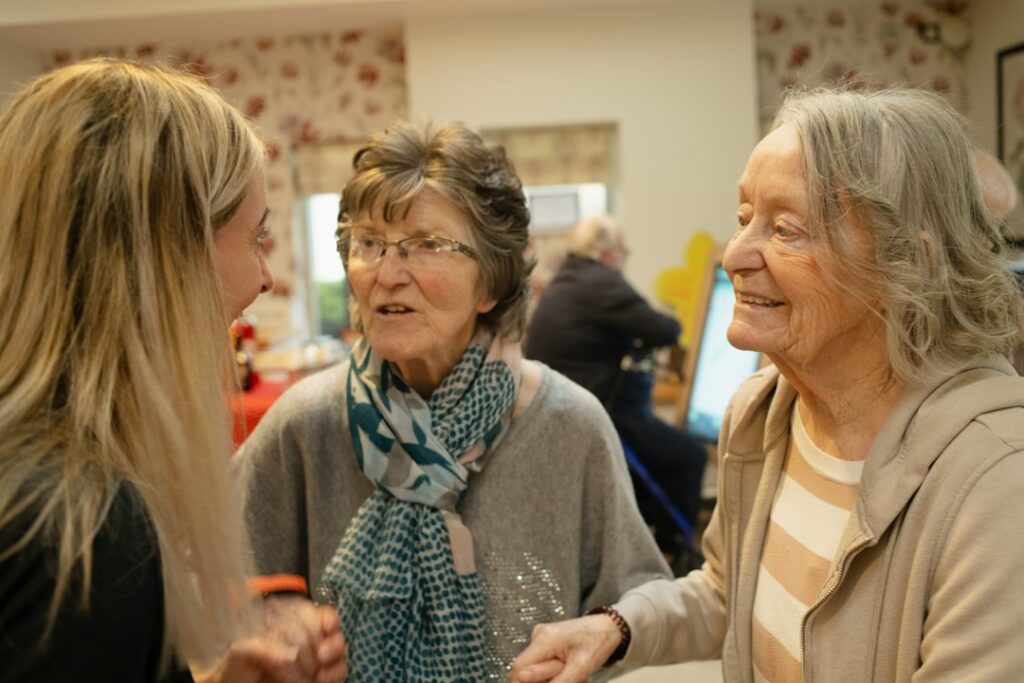
Moving into assisted living can change how families spend time together, but it does not have to reduce closeness. In Doylestown, PA, families often balance work, school, transportation, seasonal weather, and responsibilities in more than one household. A dependable connection plan can help residents feel remembered, included, and emotionally supported.
How often should family members visit?
There is no single schedule that works for every resident. Regular visits are usually more helpful than occasional long visits because familiar contact creates continuity and gives residents something to anticipate.
A practical schedule might include:
- A short in-person visit once or twice a week
- A phone call on set days
- A video call when travel or weather makes visiting difficult
- Shared meals, errands, or activities when the resident feels up to them
The schedule should reflect the resident’s energy, health, preferences, and comfort with visitors. Some people enjoy frequent social activity, while others become tired after an hour. A shorter visit that ends positively may be better than a longer visit that leaves the resident overwhelmed.
Families should also avoid treating a missed visit as a personal rejection. Illness, transportation problems, work demands, and winter conditions can interfere with plans. Explaining the change clearly and arranging another time can preserve trust.
What can families do if they live too far away to visit often?
Distance does not prevent meaningful involvement. Consistent communication matters more than physical presence alone.
Phone calls work best when they are predictable and easy to follow. Instead of asking a broad question such as “How are you doing?” family members can use specific prompts:
- What did you have for lunch?
- Did you see anyone you know today?
- What was the most comfortable part of your day?
- Have you been watching or listening to anything interesting?
- Is there something you would like to do during the next visit?
Video calls can add visual connection, but they may be difficult for residents with hearing loss, memory changes, vision limitations, or unfamiliarity with devices. A large screen, strong lighting, headphones, and a quiet room may make the conversation easier.
Other options include mailed letters, printed family photographs, recorded messages, puzzle books, and simple care packages that follow residence guidelines. A grandchild’s drawing, a familiar recipe, or a short note about ordinary family life can be more meaningful than an expensive gift.
How can visits feel more natural and less stressful?
Visits are usually more successful when they are built around a simple activity rather than conversation alone. Sitting face-to-face and trying to fill every silence can feel uncomfortable for both people.
Consider activities such as:
- Looking through labeled family photographs
- Listening to familiar music
- Folding towels or sorting greeting cards
- Taking a slow walk if the resident is able
- Sharing a snack or cup of tea
- Watching a favorite program
- Reading aloud from a newspaper, magazine, or book
- Completing a familiar craft or game
Activities should match the resident’s abilities without making the person feel tested. A resident who has difficulty remembering names may still enjoy photographs, music, or conversation about earlier experiences.
Timing also matters. Some residents are more alert in the morning, while others become more engaged later in the day. A visit during a meal, scheduled activity, or medication-related transition may not allow much attention. Families can learn the resident’s daily rhythm and plan around it.
How should families stay connected when memory loss is involved?
Memory loss can change the type of connection that feels comfortable, but it does not eliminate the need for affection and belonging. The goal is often emotional comfort rather than perfect recall.
Family members can:
- Introduce themselves calmly when needed
- Use familiar names and a reassuring tone
- Focus on the present moment
- Avoid quizzing the resident about dates, names, or recent events
- Accept repeated questions without showing frustration
- Use music, photographs, scents, and familiar objects to encourage recognition
- Shift topics if a conversation causes distress

Correcting every inaccurate detail may create tension without improving understanding. If a resident tells the same story repeatedly, listening patiently or responding to the emotion behind the story may be more supportive than pointing out the repetition.
A person may forget that a visit occurred but still experience comfort during the visit. That emotional benefit remains meaningful.
How can residents maintain relationships with children and grandchildren?
Children often connect best through direct, uncomplicated activities. Visits do not need to be long or formal.
Grandchildren might bring a drawing, show a school project, read a short book, play a simple game, or ask the resident to share a favorite memory. Older children may enjoy learning about family history, looking at photographs, or recording an oral history conversation.
Adults should prepare children honestly without making assisted living seem frightening. It can help to explain that the resident may move slowly, repeat questions, use mobility equipment, or need a quiet break. Children should be allowed to ask questions and should not be pressured to hug, stay longer, or perform for the resident.
If visits with young children are tiring, shorter visits in a calm setting may work better. A regular ten-minute video call can also provide continuity between in-person visits.
What if a resident feels lonely even when family members stay in touch?
Loneliness is not always solved by more phone calls. A resident may need a greater sense of purpose, routine, or belonging within the assisted living community.
Families can ask what types of social contact feel comfortable. Some residents prefer small groups, while others enjoy individual conversation. Interests such as gardening, faith, current events, music, crafts, books, or sports may help identify suitable activities.
It is also useful to ask whether practical barriers are interfering. Hearing difficulty, poor vision, pain, fatigue, depression, transportation limitations within the residence, or difficulty using a phone can make social participation harder. Changes in mood or behavior should be shared with the appropriate care team, especially if the resident has become withdrawn, unusually sad, confused, or unwilling to participate in normally enjoyable activities.
Family members should avoid promising constant availability if they cannot provide it. A realistic routine is more reassuring than a series of plans that repeatedly change.
How can families respect independence while remaining involved?
Staying connected does not mean making every decision for the resident. Adults in assisted living should generally remain involved in choices about visits, communication, activities, clothing, meals, and personal routines whenever they are able to do so.
Before arriving, family members can ask whether the resident wants company, prefers a quiet visit, or has another priority that day. During visits, offer choices rather than issuing directions:
- Would you like to sit inside or go outdoors?
- Would you rather look at photographs or listen to music?
- Do you want to talk, or would you prefer quiet company?
Privacy also matters. Conversations about finances, health concerns, or family disagreements should take place respectfully and away from other residents when possible. The resident’s preferences should guide how information is shared with relatives.
In Doylestown, seasonal conditions may affect outdoor visits and travel plans. Families can prepare alternatives for hot, humid days, rain, ice, or early winter darkness. A flexible plan helps maintain connection without placing unnecessary pressure on the resident or visitors.
What makes a family connection plan work?
A useful plan is simple, specific, and shared among family members. It may include preferred visiting times, the best way to reach the resident, topics or activities the resident enjoys, signs of fatigue, and a backup plan for canceled visits.
Family members can divide responsibilities rather than expecting one person to manage every call and visit. One relative might handle weekly phone calls, another might send photographs, and another might coordinate occasional visits. Keeping brief notes about meaningful conversations can help relatives avoid asking the same questions and remain aware of changes.
The most valuable contact is usually steady, respectful, and suited to the resident’s abilities. Connection can happen through a visit, a familiar voice, a handwritten note, shared music, or quiet time together. The form may change over time, but the relationship can continue to grow through ordinary, dependable moments.
