
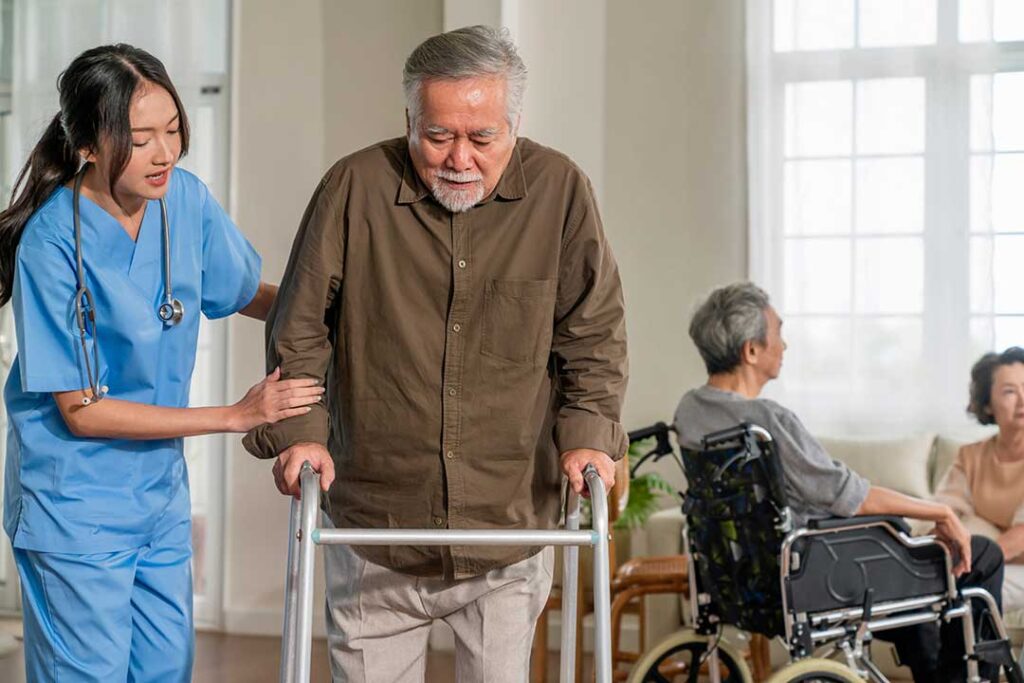
Assisted living safety involves more than handrails and emergency buttons. A well-designed community combines secure building features, trained staff, emergency planning, medication safeguards, fall-prevention practices, and regular communication with residents and families.
For residents and families in Doylestown, PA, understanding these features can make it easier to compare communities and ask useful questions before a move. Pennsylvania assisted living residences must meet state licensing requirements intended to protect residents’ health, safety, and well-being under 55 Pa. Code Chapter 2800. ([pacodeandbulletin.gov](https://www.pacodeandbulletin.gov/display/pacode?file=%2Fsecure%2Fpacode%2Fdata%2F055%2Fchapter2800%2Fchap2800toc.html&utm_source=openai))
What physical safety features should assisted living communities have?
A safe building should help residents move around independently while reducing preventable hazards. Important features often include:
- Handrails and grab bars in hallways, bathrooms, and bathing areas
- Nonslip flooring and well-maintained walking surfaces
- Adequate lighting, especially near stairways, entrances, elevators, and parking areas
- Clearly marked exits and unobstructed paths
- Accessible bathrooms with suitable space for mobility devices
- Emergency call systems in apartments and bathrooms
- Secure doors, visitor procedures, and controlled access when appropriate
- Seating areas that allow residents to rest during longer walks
- Elevators or ramps where stairs would create a barrier
The condition of these features matters as much as their presence. A grab bar that is loose, dim lighting near a doorway, or a call button that is difficult to reach can create risk even if the building technically has safety equipment.
During a visit, look at how residents actually use the space. Are hallways cluttered with carts or furniture? Are floors dry and level? Can a person using a walker turn easily in the bathroom? These observations can reveal more than a feature list.
How do communities reduce fall risks?
Fall prevention usually combines environmental design, personal assessment, and staff response. No building can eliminate every fall, but a strong safety program identifies common causes and addresses them early.
Staff may review a resident’s walking ability, footwear, vision, medication effects, and history of falls. The resident’s support plan should reflect changing needs rather than relying on a one-time evaluation.
Practical fall-prevention measures may include:
- Prompt assistance with transfers and toileting
- Night lighting in bedrooms and bathrooms
- Properly fitted walkers, canes, or other mobility aids
- Regular checks for wet floors, loose rugs, and uneven surfaces
- Exercise or movement programs suited to the resident’s abilities
- Clear procedures for documenting and reviewing falls
- Staff awareness of dizziness, weakness, confusion, or sudden changes in balance
Families may want to ask what happens after a fall. A useful answer should include immediate assessment, notification procedures, documentation, review of possible causes, and changes to the resident’s support plan when appropriate.
What fire and emergency protections are expected?
Fire safety is a central part of assisted living regulation in Pennsylvania. Before an assisted living residence can receive a license, it must have written fire safety approval from the appropriate authority. ([pacodeandbulletin.gov](https://www.pacodeandbulletin.gov/display/pacode?file=%2Fsecure%2Fpacode%2Fdata%2F055%2Fchapter2800%2Fchap2800toc.html&utm_source=openai))
Residents should expect to see or hear about:
- Smoke detection and fire alarm systems
- Fire extinguishers and other required fire equipment
- Clearly identified evacuation routes
- Emergency lighting or backup power for essential systems
- Staff training in evacuation and emergency procedures
- Supervised fire drills and safety inspections
- A designated meeting location for residents and staff
The most important question is not simply whether drills occur, but whether the plan accounts for residents who cannot walk quickly, use wheelchairs, have hearing or vision limitations, or become confused during an emergency.
Doylestown’s seasonal conditions also make broader emergency planning relevant. Winter storms, freezing temperatures, power interruptions, and summer heat can affect transportation, heating, cooling, food service, and medication storage. Ask how the community handles extended outages, severe weather, and communication with families.
How are medications kept safe?
Medication safety depends on accurate records, trained staff, secure storage, and timely communication. Errors can occur when prescriptions change, multiple providers are involved, or a resident’s ability to manage medications declines.
A community’s medication process may include:
- A current medication list and administration record
- Secure storage of prescription and over-the-counter medications
- Verification of medication changes
- Procedures for missed or refused doses
- Monitoring for side effects or unusual changes
- Clear rules about which medications residents may keep and manage themselves
- Communication with authorized family members and healthcare providers
Residents and families should ask how medication errors are reported and reviewed. They can also ask how the community handles medications that require special storage, scheduled timing, assistance with inhalers, or observation after administration.

An emergency call system is useful, but it should not be treated as a substitute for regular medication oversight or personal support.
How does staffing affect resident safety?
Safety features work only when staff are available, trained, and familiar with residents’ needs. Pennsylvania regulations address direct-care staffing, administrator responsibilities, staff qualifications, criminal history checks, and awake staff requirements in assisted living residences. ([pa.gov](https://www.pa.gov/content/dam/copapwp-pagov/en/dhs/documents/licensing/bhsl-licensing/documents/Assisted_Living_Residences-2800_Regulations.pdf?utm_source=openai))
Families may ask:
- Is staff present and awake overnight?
- How are staffing levels adjusted when several residents need help at once?
- What training do direct-care staff receive?
- How are new staff introduced to a resident’s support plan?
- What happens if a scheduled caregiver is absent?
- Who responds to an emergency call, and how quickly?
- Are staff trained to recognize changes in mobility, confusion, hydration, or mood?
A community may have modern equipment, but delayed responses can still create danger. Notice whether staff can explain residents’ routines respectfully and whether residents appear able to obtain assistance without unnecessary difficulty.
What protections address wandering, confusion, or memory loss?
Some residents need safeguards related to dementia, disorientation, or wandering. These may include secured areas, door alarms, monitored entrances, identification procedures, visual cues, and individualized supervision.
Security should be balanced with dignity. Ask how residents can move freely within safe areas, access outdoor space, receive visitors, and maintain privacy. A locked setting is not automatically a complete safety plan. Staff should understand the individual’s patterns, triggers, preferred routines, and likely destinations.
Families should also ask how the community responds if a resident cannot be located. The response should include a prompt search, notification procedures, documentation, and review of how to reduce future risk.
How can families evaluate safety during a visit?
A visit should include both direct observation and specific questions. Consider visiting at different times, including an evening or weekend if possible.
Look for:
- Clean, dry, uncluttered walking areas
- Working call systems within easy reach
- Bathrooms that support safe transfers
- Staff responding calmly to requests
- Clear emergency signage
- Residents receiving help without being rushed
- Doors and outdoor areas secured in a way that matches residents’ needs
- Good lighting during both daytime and evening conditions
Ask to review the residence’s licensing status and inspection information. Pennsylvania provides licensing resources and a directory for personal care homes and assisted living residences, including licensing information. ([pa.gov](https://www.pa.gov/agencies/dhs/resources/aging-physical-disabilities/personal-care-homes?utm_source=openai))
Also ask for the written resident-residence contract and support-plan process. Safety expectations, emergency contacts, medication responsibilities, and changes in care should be clear before move-in.
What is the most overlooked safety issue?
Communication is often overlooked. A resident may be physically safe in the building but still face risk if staff do not know about a new medication, recent fall, change in appetite, worsening weakness, or altered behavior.
Families can support safety by keeping contact information current, sharing relevant medical updates, labeling personal equipment, and reporting concerns promptly. Residents should be encouraged to speak up when a call button is hard to use, a floor feels slippery, or assistance is taking too long.
The strongest safety approach treats residents as participants in their own protection. Building design, emergency systems, staffing, and care plans should work together while preserving as much independence and choice as the resident can safely maintain.
