

Personalized care plans help assisted living residents receive support that reflects their health needs, routines, preferences, and goals. In Doylestown, PA, families can use these plans to understand what assistance is provided, how changes are handled, and how the resident’s independence can be protected.
What is a personalized care plan?
A personalized care plan is a written, regularly updated record of a resident’s care needs and preferences. It explains what support is needed, when that support should occur, and how caregivers should provide it.
The plan may address:
- Personal care, such as bathing, dressing, grooming, and toileting
- Medication reminders or medication-related assistance
- Mobility, fall prevention, and transfers
- Meals, hydration, and dietary needs
- Sleep patterns and nighttime support
- Memory, communication, or behavioral changes
- Social activities, hobbies, and spiritual or cultural preferences
- Medical conditions, allergies, and emergency information
- Family communication and decision-making preferences
A care plan should not be treated as a permanent checklist. A resident’s abilities and needs may change after an illness, injury, medication adjustment, or change in memory or mood.
Why does individualized planning matter?
Personalized planning helps prevent a common problem in assisted living: providing either too much or too little help. A resident who can still choose clothing, walk independently, or manage part of a daily task may become less confident if others routinely take over.
At the same time, a resident may face unnecessary risk if new difficulties are overlooked. A detailed plan gives caregivers a shared understanding of the right level of assistance.
For example, a resident may be able to shower independently but need someone nearby because of dizziness. Another resident may need help setting out clothing but prefer to dress without hands-on assistance. These differences are practical, not minor. They affect dignity, safety, and quality of life.
How is a care plan created?
The process usually begins with an assessment of the resident’s physical, cognitive, emotional, and social needs. Information may come from the resident, family members, physicians, nurses, direct-care staff, and other appropriate members of the care team.
The resident’s own preferences should be part of the discussion. Important questions include:
- What parts of the day feel easiest or most difficult?
- Which routines provide comfort or structure?
- What activities are meaningful?
- What assistance feels helpful, and what feels intrusive?
- Are there hearing, vision, language, or communication concerns?
- What signs suggest pain, anxiety, fatigue, or confusion?
- What does the resident want family members to know?
A useful plan describes observable needs rather than using vague phrases. “Needs assistance” is less informative than “needs verbal reminders to use the walker before standing.”
What should families look for in a care plan?
Families should look for specific instructions that staff can consistently follow. The plan should identify the resident’s current abilities, risks, preferences, and goals.
A strong plan generally answers four questions:
1. What support is needed?
2. When and how often is it needed?
3. How should the support be provided?
4. What changes should be reported and to whom?
It should also distinguish between a resident’s diagnosis and the actual assistance required. Two people with the same condition may have very different abilities. A diagnosis alone does not explain whether someone needs help walking, remembering appointments, eating, or communicating discomfort.
Families may also ask how information is shared between shifts. Consistent communication matters because a care plan is only useful if the people providing daily care know what it says.
How do care plans protect independence?
A personalized care plan should identify what a resident can do safely, not only what the resident cannot do. This approach supports independence by allowing the resident to participate in familiar tasks.
For example, the plan might state that a resident:
- Chooses clothing independently but needs extra time in the morning
- Walks safely with a mobility aid on level surfaces
- Needs reminders to drink fluids during the day
- Prefers medications and meals at consistent times
- Participates in folding towels or arranging personal items
- Becomes more confused late in the afternoon and benefits from a quiet setting
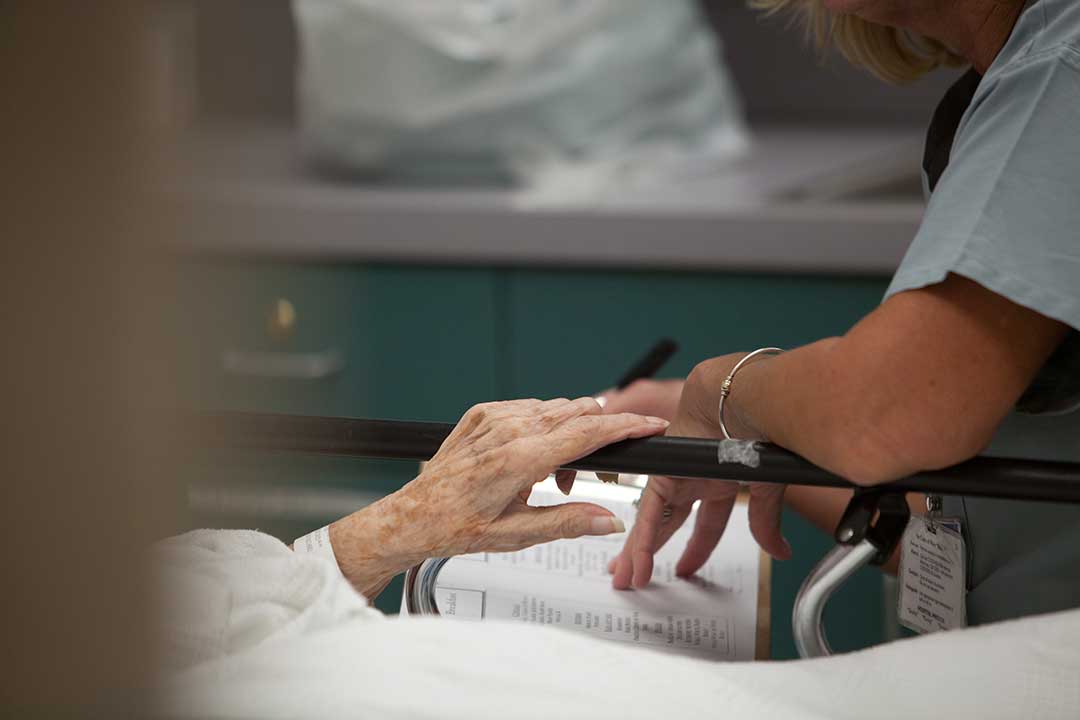
These details help staff provide assistance without unnecessarily replacing the resident’s abilities. Independence may mean making choices, completing part of a task, maintaining a routine, or participating in decisions—not necessarily doing everything without help.
How often should a personalized care plan be reviewed?
Care plans should be reviewed on a regular schedule and whenever there is a meaningful change in condition or daily function. A review may be needed after a fall, hospital stay, infection, medication change, weight change, or noticeable shift in memory or behavior.
Families should report changes they observe during visits. A resident may appear comfortable for a short visit but have difficulty managing at other times of day. Seasonal conditions can also affect routines. In Doylestown, winter ice, shorter daylight hours, and cold temperatures may affect outdoor mobility, transportation, clothing choices, and fall risk. Warm-weather conditions may raise concerns about hydration, fatigue, or safe outdoor activity.
A review should ask whether the current plan is still accurate—not simply whether staff are following it.
What happens when a resident’s needs become more complex?
A care plan can identify when a resident may need a different level of support or further assessment. Signs may include repeated falls, increasing difficulty with personal care, missed medications, significant weight loss, wandering, frequent distress, or inability to communicate urgent needs.
These changes do not automatically mean that assisted living is no longer appropriate. They do mean the situation should be evaluated carefully. The resident, family, care team, and relevant medical providers may need to discuss new supports, safety concerns, or whether another care setting would better meet the person’s needs.
The plan should also explain what to do during an emergency and who should be notified. Families may want to confirm that current medication information, emergency contacts, advance directives, and healthcare preferences are recorded accurately.
What are common misconceptions about care plans?
One misconception is that a care plan is mainly paperwork. In practice, it is a communication tool that connects assessments, daily routines, safety measures, and resident preferences.
Another misconception is that family members must accept the first version without questions. Families can ask for clarification when wording is unclear, needs appear inaccurate, or the plan does not reflect the resident’s preferences.
It is also a mistake to assume that a care plan is only about medical needs. Sleep habits, favorite activities, communication style, food preferences, and personal routines can influence cooperation, comfort, and emotional well-being.
Finally, a plan should not be changed only after a crisis. Early reporting of small changes can help the care team respond before a minor concern becomes a fall, hospitalization, or major loss of function.
Questions families can ask during a care plan discussion
A focused conversation may include:
- What can the resident safely do without assistance?
- What changes have staff noticed recently?
- How are preferences communicated between shifts?
- What signs indicate pain, dehydration, confusion, or illness?
- How are falls and near-falls documented and addressed?
- Who updates the plan after a medication or health change?
- How can the resident participate in decisions?
- When will the plan be reviewed again?
Personalized care plans work best when they remain current, specific, and centered on the resident’s voice. They provide a practical framework for balancing safety with dignity while helping families understand how daily support is organized.
