
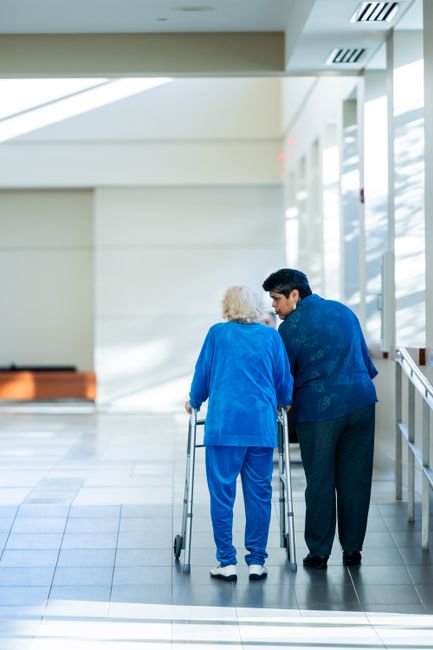
Choosing assisted living is not only about the appearance of a building or the number of activities on a calendar. The most useful amenities are the ones that support safety, independence, comfort, health, and everyday routines.
For residents and families in Doylestown, PA, seasonal weather, transportation needs, family visits, and changing care requirements can all affect which features deserve the closest attention.
What amenities are most important in assisted living?
The most important amenities are reliable dining, accessible living spaces, emergency support, transportation, housekeeping, meaningful activities, outdoor areas, and services that can adapt as needs change.
A beautiful lobby may be pleasant, but it does not tell a family whether the residence will be practical six months later. During a tour, consider how each amenity works during an ordinary week—not just how it looks during a scheduled visit.
Key areas to evaluate include:
- Assistance with bathing, dressing, grooming, and mobility
- Medication management and access to supplemental health services
- Nutritious meals, snacks, and accommodations for dietary needs
- Housekeeping and laundry
- Transportation for appointments, errands, and community activities
- Emergency response systems and staff availability
- Safe indoor and outdoor spaces
- Social, educational, spiritual, and recreational programs
In Pennsylvania, assisted living residences are licensed under state requirements addressing areas such as resident care, nutrition, staffing, fire safety, training, and physical conditions. Amenities should therefore be evaluated alongside the quality and consistency of the services behind them.
How should dining services be evaluated?
Dining should offer more than attractive menus. It should provide consistent nutrition, flexibility, and a setting where residents can eat comfortably and maintain personal choice.
Ask how meals are handled for residents who have diabetes, food allergies, swallowing concerns, dental limitations, or cultural and religious preferences. Find out whether alternatives are available when a resident dislikes the main entrée and whether snacks and drinks are accessible between meals.
Also observe the dining room:
- Can residents sit comfortably and hear conversations?
- Are tables and chairs easy to use?
- Is assistance available for opening containers or cutting food?
- Are meals served at predictable times?
- Can residents eat privately or in a quieter setting when needed?
A dining program that looks organized on tour may operate differently during evenings, weekends, or staff shortages. Asking to see a typical menu and learning how missed meals are addressed can reveal more than a display kitchen.
Which safety and accessibility features should families look for?
Safety amenities should reduce hazards without making residents feel restricted. Look for good lighting, clear walking paths, handrails, nonslip flooring, accessible bathrooms, elevators where needed, and emergency call systems that residents can use easily.
The details matter. A bathroom may technically be accessible but still difficult to use if the toilet is positioned awkwardly or the shower lacks a stable seat and reachable controls. Apartment doors, closet handles, faucets, and light switches should also be manageable for residents with arthritis, weakness, vision changes, or limited balance.
Ask these practical questions:
- What happens when a resident presses the emergency call button?
- Are staff available overnight, and how are response times monitored?
- How are falls, wandering risks, or sudden health changes handled?
- Are emergency drills conducted?
- Is backup power available for essential systems?
- How does the residence respond to snow, ice, heat, or extended power interruptions?
Doylestown experiences changing seasons, so covered walkways, safe entrances, reliable heating and cooling, and indoor areas for exercise and socializing are especially useful. Families should ask whether outdoor paths remain usable after rain, snow, or freezing temperatures.
Does transportation count as an essential amenity?
For many residents, transportation is essential rather than optional. A dependable transportation program can help residents attend medical appointments, obtain prescriptions, visit family, participate in activities, and remain connected to familiar routines.
Ask whether transportation is included in the monthly fee or billed separately. Clarify how far vehicles travel, how much advance notice is required, and whether wheelchair-accessible transportation is available.
It is also worth asking:
- Can a resident bring a companion?
- Are rides available in the evening or on weekends?
- What happens when two residents need transportation at the same time?
- Are drivers trained to assist with walkers, wheelchairs, or difficult transfers?
- Is transportation available for urgent medical needs, or only for scheduled trips?
A residence may be close to stores or medical offices, but proximity does not guarantee that a resident can safely reach them. Transportation should be evaluated based on actual routines, not distance alone.
What health-related amenities should be available?
Assisted living is designed for people who need help with daily activities but may not require the level of care provided in a nursing facility. Health-related amenities should support current needs while allowing for reasonable changes over time.
Ask how the residence handles medication reminders or administration, care assessments, mobility assistance, rehabilitation services, and communication with a resident’s primary care providers. Determine whether licensed or trained staff are present at all hours and how changes in condition are documented and communicated to family members.
It is also important to understand the limits of care. A residence may be able to arrange supplemental health services, but not every condition can be managed in every setting. The written residency agreement should explain what services are included, what costs extra, and what circumstances could require a move to a different level of care.
Which amenities support independence and social connection?
Good amenities give residents choices instead of simply filling time. Useful features may include activity rooms, libraries, fitness spaces, gardens, gathering areas, private lounges, and quiet places for reading or reflection.
The quality of programming matters more than the number of activities listed. Ask whether residents help shape the calendar and whether activities accommodate different ability levels. A resident who cannot participate in group exercise may still enjoy music, gardening, discussion groups, crafts, games, or supervised outings.
Look for opportunities for:
- Small-group conversation
- Light exercise and balance activities
- Creative projects
- Educational programs
- Religious or spiritual observance
- Family visits
- Intergenerational activities
- Quiet time away from busy common areas
Outdoor space can be particularly valuable. A secure garden, shaded seating, level walking paths, and comfortable places to sit can support movement and reduce isolation during pleasant weather.
What apartment and housekeeping amenities deserve attention?
A private or semi-private apartment should feel manageable, not merely attractive. Check whether furniture can be arranged safely, whether there is enough storage, and whether the bathroom supports the resident’s mobility needs.
Ask about:
- Housekeeping frequency
- Laundry service and labeling procedures
- Maintenance response times
- Temperature control
- Internet and telephone access
- Kitchenettes or small refrigerators
- Pet policies
- Guest accommodations
- Personal furnishings and decorating rules
Residents have rights to privacy, dignity, communication, and personal belongings. Amenities should support those rights rather than create unnecessary dependence.
How can families compare amenities fairly?
Create a short comparison sheet before visiting. Separate features into three categories: essential now, likely to matter later, and pleasant but nonessential.
During each visit, observe ordinary operations. Notice whether staff greet residents by name, whether call systems are answered promptly, whether hallways are clean without strong odors, and whether residents appear comfortable asking for help.
Ask for clear explanations of fees, service limits, transportation rules, dining options, emergency procedures, and care changes. A useful amenity is one that remains available, understandable, and appropriate as a resident’s needs evolve.
