
How Does Assisted Living Foster Social Interactions?
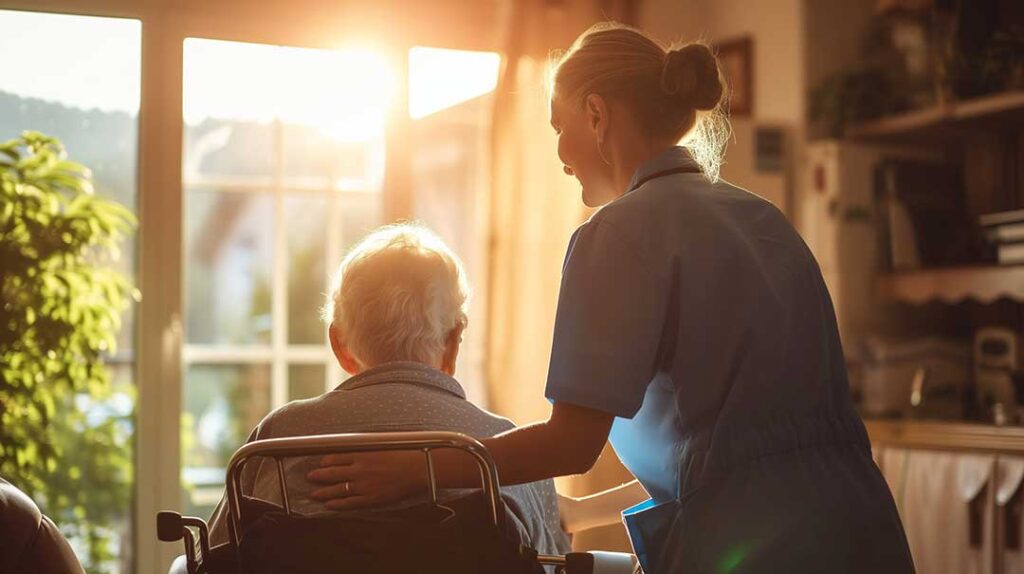
Assisted living communities can serve as hubs for meaningful social connections, offering daily opportunities for residents to interact, form friendships, and reduce feelings of isolation. Unlike typical residential living, these settings provide built-in environments where companionship can develop naturally through shared spaces, activities, and routines.
In Doylestown, where many neighborhoods are thoughtfully planned yet widely spread, the communal nature of assisted living brings residents closer together, often easing the transition from an independent home to a more community-centered setting.
What Sort of Social Opportunities Are Available?
Most assisted living communities organize structured and informal activities intended to encourage participation and camaraderie. Residents frequently ask what kinds of programs or spaces are offered and how these help foster genuine relationships rather than just scheduled interactions.
Common social opportunities include:
- Group exercise or wellness classes designed for varied mobility levels
- Arts and crafts sessions, book clubs, and music activities
- Shared dining in community dining rooms, which can become a social anchor
- Movie nights, seasonal celebrations, and local outings
- Small group discussions or hobby circles, based on resident interest
- Outdoor gardening, walking clubs, or nature appreciation in gardens and patios
Because Doylestown experiences all four seasons, many assisted living environments plan both indoor and covered outdoor activities, recognizing the role that weather plays in gathering spaces.
How Can Social Connections Benefit Health and Well-Being?
Research consistently connects robust social networks with improved mental, emotional, and physical health among older adults. In the context of assisted living, daily contact and friendships offer tangible benefits:
- Lower feelings of loneliness, which can reduce risk factors for depression
- More chances for physical activity through group walks or classes
- Improved appetite and nutrition, as shared meals encourage better eating
- Cognitive engagement through games, conversation, and group learning
Residents sometimes overlook these health impacts, focusing instead on the practical support aspects of assisted living. However, many report unexpected improvements in mood and energy linked to steady social contact.
What Concerns Do Residents Often Have About Social Life?
It’s common for incoming residents—and their families—to worry about fitting in or adjusting to group living, especially for those who have lived independently or in close-knit family homes. Some may wonder if social experiences will feel authentic, or if programming is “forced fun.”
Several practical realities help alleviate these concerns:
- Participation is voluntary; residents can choose activities that suit their interests.
- Social offerings are wide-ranging and adapt to the group’s preferences, from quiet card games to lively music events.
- It’s possible to find privacy and downtime, with apartments or suites providing quiet retreats when needed.
Most communities work to strike a balance, recognizing that self-direction is an important part of healthy social life.
What About Friendships and New Companionships?
A major advantage of assisted living lies in the prospect of meeting and befriending others who may share similar life experiences, hobbies, or backgrounds. In a town like Doylestown—with its mix of long-term residents and those who’ve recently relocated—assisted living can make it easier for individuals to connect over common interests.
Opportunities for new bonds include:
- Spontaneous conversations at meals or during recreational programs
- Joining recurring clubs or classes, which facilitate repeated, low-pressure interaction
- Shared volunteering efforts, such as making donations or participating in community service projects

Residents can also draw comfort from peer support, discussing adjustments, challenges, or even exchanging stories and advice about navigating life transitions or health needs.
Are There Barriers to Connection—and How Are They Addressed?
Not every resident feels immediately comfortable joining group activities. Barriers might include hesitance to enter new groups, sensory limitations (such as hearing or vision difficulties), language differences, or anxiety around social events.
Local assisted living teams often encourage participation by:
- Providing staff support to introduce new residents to social groups
- Designing spaces with both quiet and stimulating environments
- Offering activities in small groups or one-on-one formats when suitable
- Ensuring accessibility features accommodate residents with mobility or sensory needs
Weather conditions in Doylestown—especially during winter’s chill or summer’s heat—can also impact social life, which is why many communities prioritize cozy indoor common rooms and year-round programming.
How Can Families Support Social Well-being?
Family members play a crucial role in helping loved ones maintain—and even expand—their social circles. Practical support can include:
- Visiting during group events, allowing relatives to meet new friends and staff
- Encouraging participation in clubs or committees
- Sharing information on hobbies or past experiences so that activity coordinators can make appropriate introductions
In tight-knit towns, extended family visits and connections with neighbors from previous neighborhoods can also help bridge social transitions.
What Makes Doylestown’s Assisted Living Communities Unique Socially?
The local culture in Doylestown emphasizes neighborliness, community service, and involvement in arts and history. Assisted living life here often taps into these traditions through collaborative projects, history clubs, and engagement with seasonal festivals or local events.
In a setting where many householders are used to driving or walking to meet friends in town, the walkable layouts and communal areas of assisted living can relieve transportation barriers, making social contact a daily, low-effort part of life.
